Free Delivery with Order(s) Over £50

The History of the Rabbit Vibrator: From Japan to Sex and the City

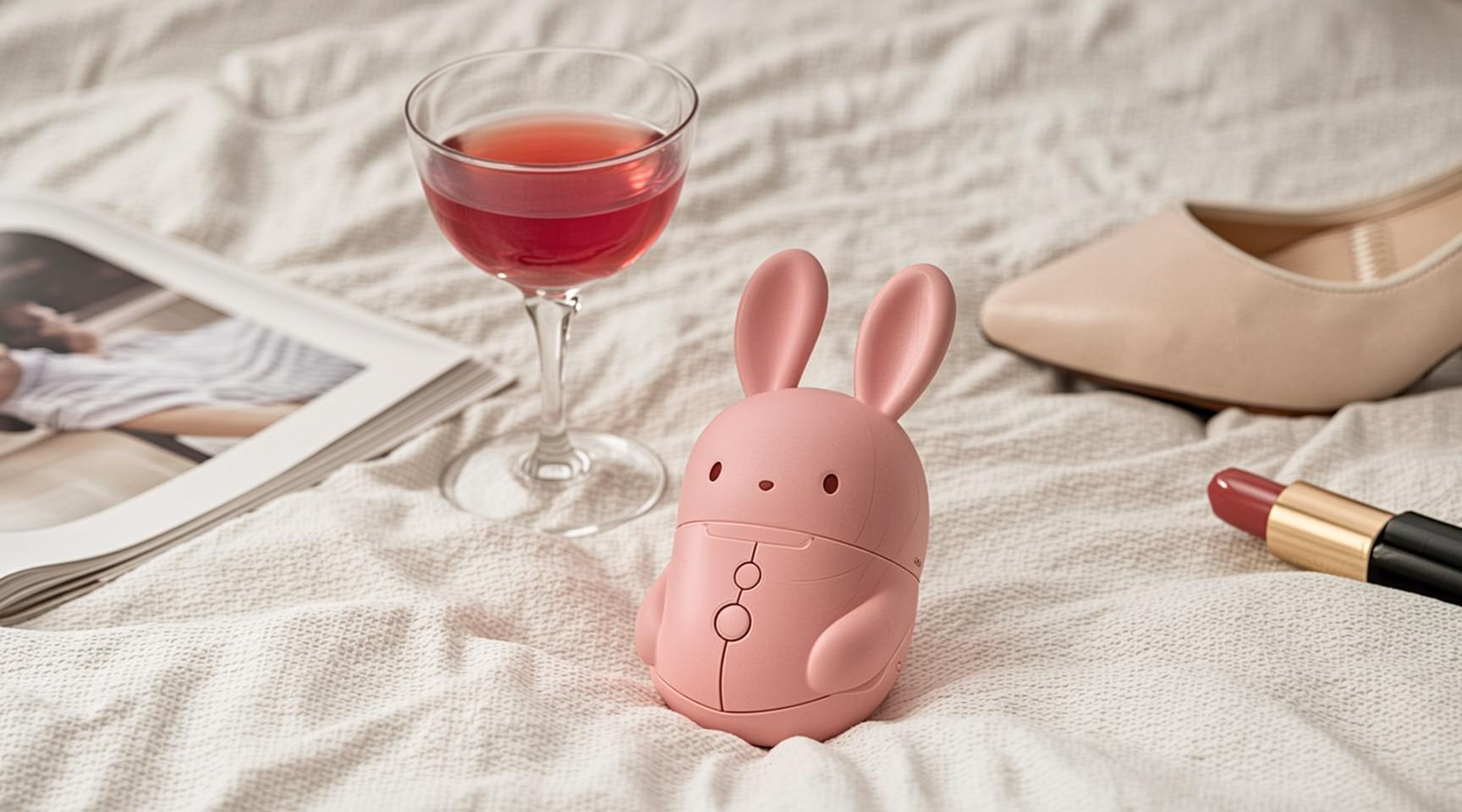
It is arguably the most famous sex toy in the world. Known for its iconic shape and legendary ability to deliver “blended orgasms,” the rabbit vibrator has secured its place in pop culture history. But where did this revolutionary toy come from? Join us as we take a trip through time to explore the fascinating history of the rabbit vibrator.
The 1980s: Born from Necessity in Japan
The story begins in Japan in the early 1980s. At the time, the country had strict obscenity laws that prohibited the manufacture and sale of devices that looked like human genitalia. This meant traditional phallic vibrators were illegal to sell.
To circumvent these laws, Japanese manufacturers (most notably Vibratex) began creating vibrators with cute, animal-shaped details. The idea was that if the toy looked like a cartoon character or a pet, it would be classified as a “novelty” rather than a sexual device.
The original design, often called the “Rabbit Pearl,” featured a phallic shaft for internal stimulation and a pair of vibrating rabbit ears attached to the base. This wasn’t just a clever legal loophole; it was a stroke of genius. The design offered dual stimulation—targeting the G-spot internally and the clitoris externally—simultaneously. You can shop the modern evolution of these classics in our rabbit vibrator collection.
The 1990s: The Sex and the City Effect
While the rabbit enjoyed success in the adult industry throughout the 80s and early 90s, it was a hit HBO show that turned it into a household name.
In 1998, Sex and the City aired an iconic episode titled “The Turtle and the Hare.” In the episode, the character Charlotte York becomes addicted to her rabbit vibrator, famously preferring it to dating men. She exclaims to her friends, “I’m accessorizing!” while blissfully using the toy.
This was a watershed moment. Suddenly, the “rabbit” wasn’t just a seedy item sold in back-alley shops; it was a mainstream topic of conversation. Sales skyrocketed globally, and the “Rampant Rabbit” (a popular UK version) became a best-seller overnight. It sparked a sexual revolution, normalizing the use of sex toys for women’s self-pleasure.
The 2000s & 2010s: Technological Evolution
As demand grew, so did the technology. The early battery-operated rabbits were often loud and made of porous jelly materials. However, the 2000s brought a focus on safety and power.
- Material Revolution: Manufacturers shifted from porous materials to body-safe silicone, which is hypoallergenic, non-porous, and silky smooth.
- Power Up: The buzz of weak motors was replaced by deep, rumbly vibrations. We saw the introduction of rechargeable rabbits, eliminating the need for batteries and allowing for stronger motors.
- Thrusting & Rotating: Features like “pearls” in the shaft that spun around, and mechanisms that made the shaft thrust up and down, became standard for users seeking a realistic feeling.
The Modern Day: App-Controlled and Beyond
Today, the rabbit vibrator is smarter and more versatile than ever. Modern iterations include:
- App-Controlled Toys: Allowing partners to control the vibrations from anywhere in the world via a smartphone app.
- Air-Pulse Technology: New “rabbit” styles use pulsating air waves on the clitoris instead of traditional vibration for a sensation that feels like oral sex.
- Travel-Friendly Sizes: For those who want the dual stimulation without the bulk, mini bullet vibrators now come with “rabbit ears” attachments.
Caring for Your Rabbit
Whether you are using a vintage classic or a high-tech modern model, hygiene is key. Always clean your toy before and after use with warm water and a dedicated toy cleaner. If your toy is made of silicone, always use a water-based lubricant to keep the material in pristine condition.
Ready to Write Your Own History?
From a clever legal workaround in Tokyo to a symbol of sexual empowerment in London and New York, the rabbit vibrator has had an incredible journey. Experience the toy that changed the world.